In this digital age, media platforms have become the main source of information for billions of people. Social media especially plays a huge role in how we consume news, share opinions, and shape our understanding of the world. But with that power a serious question: to what extent should these platforms be responsible for making sure the information being shared is accurate?
On one hand, we have the principle of free speech and a core value in many democratic countries. Free speech means people are allowed to express their thought and opinion no matter how unpopular, controversial, or even wrong they may be. It’s a freedom that protects individuals rights and fuels creativity and opens discussions. Without it, progress and change would be nearly impossible.
Because of this, some argue that media platforms shouldn’t be able to control what people say. If we stand limiting speech, even if speech that is false or misleading, where do we draw the line? Who decides what is acceptable and what isn’t? The fear is that too much control could lead to censorship, which in turn could silence voices that need to be heard.
However, the problem gets complicated when we think about the real-world effects of misinformation. Free speech doesn’t mean speech without consequences. False or misleading information can be incredibly dangerous, especially when it spreads quickly online and reaches vulnerable audiences.
An example of this is the Covid-19 pandemic. During this pandemic misinformation about vaccines, treatments and the virus itself flooded platforms like Facebook, Twitter and TikTok. Some posts claimed the vaccine was the government plot, other pushed fake “cures” or even denied the virus exited at all. As a result, some people refused the vaccines, leading to unnecessary illness and death. In this case misinformation literally costed us lives.
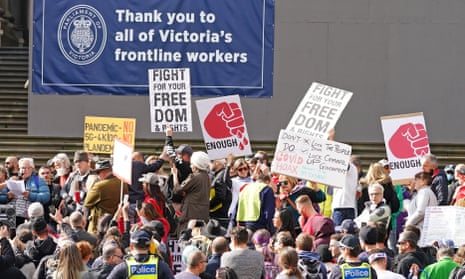
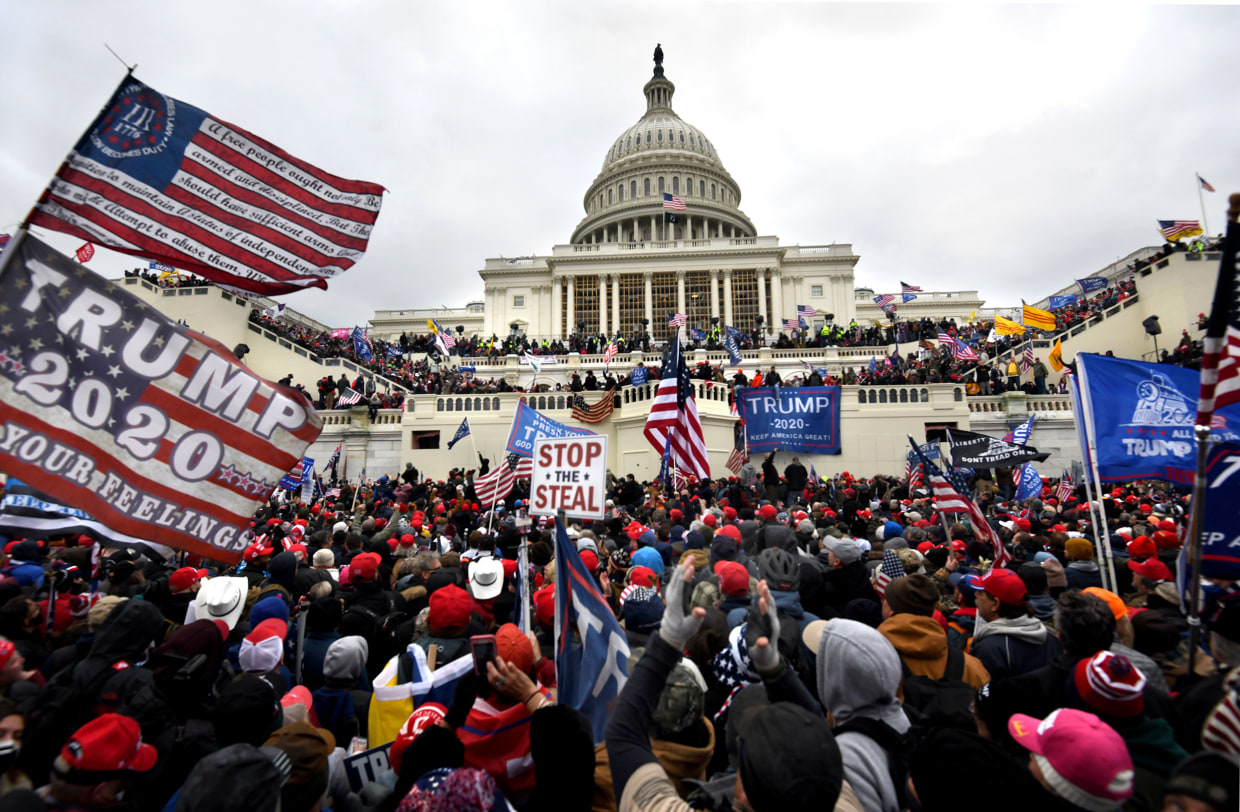
Another major even that shows the harm of unchecked misinformation is the January 6, 2021, Capitol riot in the Unites States. False claims by Trump that the 2020 presidential election was stolen was shared widely online, leading to thousands to storm the US Capitol trying to overturn the results. The riot was not just a political protest, it was an attack caused by lies. This shows how online misinformation can lead to real world violence and chaos.
So how do we stop this form happening, without talking away the right to free speech?
The solution isn’t going to be censorship or full and strict government control. That approach opens the door to abuse. In countries like North Korea or Russia, government control the media entirely, and the it only results into propaganda. Independent journalism is nearly impossible, and citizens only hear what those in power want them to hear. That’s not the future we want for our media.
Instead of controlling the media, platforms should be more focused on being transparent and responsible. They should let people express their true opinions freely, while also making it clear when information is false or misleading. One way to do this is by adding misinformation warnings. These already exist on some platforms. For example, Instagram and YouTube often label posts that contain inaccurate health or election information with messages like: “This claim has been disputed” or “See official information here.” These labels don’t delete the post, they just warn viewers to think critically before they believing it.
Another useful tool that could be used if the algorithm, the system that decides what posts we see first. Social media companies already use algorithms to promote certain content over others. Why not use that same algorithm to promote certain content that doesn’t contain misinformation, especially for people that are more likely to believe it?
For example, children and the elderly are often easier to influence online. Kids might not know to check if the source is reliable, and older generation might not be as familiar with how quickly fake news spreads or how to verify what they’re seeing. Platforms could use their algorithms to reduce the spread of misinformation to these groups or even provide them with more trustworthy and fact-checked content.
At the same time education plays a major role. People need to learn how to recognize fake news and understand the difference between opinion and fact and verify sources before believing or sharing somethings. Schools, parents and even social media platforms can help by offering simple tools and lessons on digital literacy.
In the end, media platforms shouldn’t be like dictators, controlling every piece of content that gets posted. But they also shouldn’t be completely hands-off and allow dangerous lies to spread without intervention. There’s a middle ground: protect freedom of expression, while also creating systems that flag, warn and limit the reach of harmful misinformation.
Free speech is essential but so is responsiblity. We can have both, as long as we’re smart about how we handle truth in the digital world.
Work Cited: